
David A. Gross MD DLFAPA is a Delray Beach, FL psychiatrist who specializes in the treatment of complex psychiatric disorders that includes depression, anxiety and panic, bipolar and trauma syndromes.
These disorders can significantly disrupt your life and the lives of those around you. If you're suffering from any of these (or other) mental disorders it’s time to seek the help you deserve. Through treatment, a psychiatrist can help you.
Dr. Gross is a board certified psychiatrist with over thirty-five years of clinical practice experience.
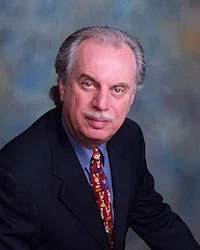








Dr. Gross' practice of medical psychiatry covers a broad range of psychiatric disorders in individuals ranging in age from thirteen and higher.

Examples of the clinical disorders treated include:
-
Mood disorders consist of cyclic and non cyclic disorders. Bipolar disorder (manic depressive illness) represents an instability of mood that leads to episodes of severe depression with occasional bouts of mania. Cycling can occur rapidly (e.g., weekly) or less than four times yearly. Many individuals previously diagnosed with major depressive disorder are often found to suffer from bipolar disorder. The treatment of major depressive disorder can be quite different from that of bipolar disorder.
Reactive depressive states occur. It is sometimes difficult to differentiate a situational depressive mood state (unhappiness) from a life stress that triggers a biological predisposition that results in a pathological depression.
In addition, there are a number of medical mimics of mood disorders including abnormalities of the thyroid gland, vitamin deficiencies, female and male hormonal disturbances, medications, cancer.
-
Currently, anxiety disorders can be classified into panic disorder (with or without agoraphobia), social anxiety disorder, obsessive compulsive disorder, phobic disorders, generalized anxiety disorder (aka the worry syndrome).
Pharmacotherapy can be very effective but a combination of cognitive behavioral therapy and pharmacotherapy is the ideal approach. As debilitating as anxiety disorders can be, they are rewarding to treat because of the potential for a good outcome. Dr. Gross is pleased to be affiliated with a number of expert cognitive behavioral specialists that serve to provide a team approach.
-
Post Traumatic Stress Disorder (PTSD) is the classic trauma syndrome and is technically an anxiety disorder. However, he believes that the spectrum of traumatic disorders deserves a separate section because of their special nature and ubiquitousness. Trauma spectrum disorders is a more appropriate term due to the very limiting criteria that PTSD currently utilizes. Sadly, trauma syndromes are more common than previously believed. It is his belief that many primary psychiatric disorders like substance abuse, eating disorders, depressive and anxiety disorders may have trauma at their core.
Treatment generally requires a combination of pharmacotherapy and specialized psychotherapy.
-
The number of adults presenting for a possible ADHD assessment has been astounding. Most commonly, an adult comes into the consultation shortly after learning that their child has been diagnosed with ADHD and the signs and symptoms seem most familiar to the parent. There is a tremendous overlap between the symptoms of the adult and childhood forms of ADHD. However, the trials, tribulations, complexities and necessary multi-tasking of adulthood make this disorder especially disruptive. Family, occupation, hobbies and quality of life are impacted.
Pharmacologic management can be quite successful, but ADHD coaching and psychotherapy are often necessary. A lifelong history of ADHD can negatively influence personality development and psychotherapy can be quite helpful in correcting false perceptions. ADHD coaching however, focuses on improvement in time management and organizational capabilities.
-
The successful management of a person in recovery requires a team approach. Intra-team communication is critical. The team often consists of 12 step meetings, an active sponsor and a psychotherapist knowledgeable of addictive disorders. Pharmacotherapy may be necessary to dress comorbid psychiatric disorders. Unfortunately, our pharmacologic armamentarium is quite limited with respect to agents that directly address the addictive process.
-
Neuropsychiatric disorders represent the psychiatric sequelae of neurologic illness. Multiple sclerosis, stroke, epilepsy, traumatic brain injury, dementia and parkinson's disease are common examples. Pharmacotherapy and psychotherapy management of these patients require sophisticated knowledge and experience on the part of the clinician.
-
These disorders are typically most perplexing and frustrating for the non-psychiatric physician. Individuals with these disorders end up going for extensive and expensive testing before the absence of a primary medical etiology is determined. By the time the patient gets to the psychiatrist there is a significant degree of frustration and loss of faith in the medical profession on the part of the patient.
Treatment entails intensive psychotherapy with a major focus on education and clarification of the underlying psychological processes responsible for the physical complaints. Pharmacotherapy addresses the anxiety and depression that often accompany the physical symptoms.
We know that everyone goes through challenging situations during different phases of their lives. We are here to help.
While you may have been successful at finding your way through prior difficulties, there is nothing wrong with asking for extra support when you need it. In fact, treatment is most beneficial for the people who have enough self-awareness to realize that they need a helping hand, so you are to be admired for taking this tep! You are taking responsibility by accepting where you're at in life and making a commitment to change the situation. Treatment provides long-lasting benefits and support, and gives you the tools you need to avoid triggers, to re-direct damaging patterns, and to overcome whatever challenges you face.
Getting Help For Mood Disorders
We understand how difficult it can be for someone to decide which therapist, clinic, or treatment will be best for them. Our staff is here to provide you with the information you need to make a decision you will feel comfortable with. Our primary concern is that you get the best treatment that science has shown will be effective for your mental health issue, and that you make the decision soon to take back the parts of your life that you have lost to mood disorders.
Delray Beach, FL Psychiatrist David A. Gross, MD, DLFAPA (distinguished life fellow of the American Psychiatric Association) specializes in the treatment of Mood Disorders such as...
Bipolar Disorder
Substance Induced Mood Disorder
Depression
There is no need for you to suffer any longer.
If you are experiencing difficulties in your daily life and you're not sure where to turn, please call our office at 561-496-1281 or email us today.
Serving the areas of Boynton Beach, West Palm Beach, Deerfield, Pompano, Lake Worth, Palm Beach County Florida

Dr. Gross has been elected Castle Connolly’s best doctors annually since 1998 to the present.
David A. Gross, MD, DLFAPA is a board certified psychiatrist with over thirty-five years of clinical practice experience. Call his office at 561-496-1281 - Our office is within easy commute from West Palm Beach, Boca Raton, Pompano Beach, Ft Lauderdale and other communities in the South Florida area.
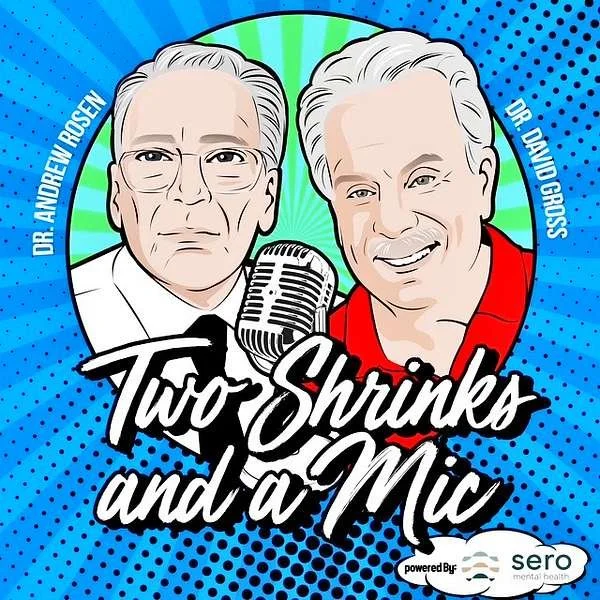
🎧 Two Shrinks and a Mic Podcast
Join Dr. David A. Gross and co-host Dr. Andrew Rosen as they explore real conversations on mental health, psychiatry, and emotional well-being. Each episode sheds light on common challenges such as depression, anxiety, trauma, ADHD, and substance use—from both a professional and human perspective.
Interviews With Dr. Gross
Dr. Joe Rabinovitz from 'The Dr. Joe Show' interviews Dr. Gross on the topics of depression, anxiety and their treatments.

Healing Starts with One Step
You don’t have to go through this alone.
Reach out today and let’s begin your path to emotional balance and recovery. (561)-496-1281